Quality control in backpack manufacturing is not merely a production step but a systematic discipline that permeates every stage of the manufacturing process, from raw material inspection through to final packaging and shipment. For United Kingdom brands importing backpacks from overseas manufacturing facilities, establishing robust quality control protocols is essential for protecting brand reputation, minimising returns, and ensuring compliance with regulatory requirements.
This comprehensive guide examines the quality control testing frameworks, international standards, and best practices that define excellence in backpack manufacturing. Whether you are establishing quality requirements for the first time or seeking to strengthen an existing programme, this guide provides the technical depth and practical guidance needed to build an effective quality assurance system.

At Black Backpack UK, quality control is embedded in every aspect of our manufacturing operations. We maintain ISO 9001 certification and conduct comprehensive testing at multiple stages of production. Our manufacturing services include full quality assurance documentation with every order.
Understanding Quality Control Frameworks in Backpack Manufacturing
Quality control in backpack manufacturing operates across multiple layers, from incoming material inspection through in-process checks to final random inspection before shipment. Each layer serves a specific purpose and addresses different types of potential defects.
Incoming Material Inspection
The first line of defence against quality issues begins before manufacturing starts. Incoming material inspection verifies that all fabrics, hardware, zippers, thread, and other components meet specified standards before they enter the production line. Key inspection parameters for fabrics include weight per square metre, tensile strength, colour consistency against approved swatches, coating thickness for waterproof materials, and chemical compliance testing for REACH requirements. Hardware components are inspected for dimensional accuracy, finish quality, and functional performance. This systematic approach prevents defective materials from creating downstream quality issues that are far more costly to rectify once incorporated into finished products.
In-Process Quality Checks
During production, quality checkpoints at critical stages catch issues before they compound into larger problems. Key in-process checkpoints include verification of cutting accuracy before assembly begins, inspection of printed or embroidered logos before components are assembled, seam quality checks during assembly including stitch density, seam allowance, and back-tack security, zipper function testing after installation, and padding thickness and placement verification for laptop compartments and shoulder straps.
Final Random Inspection
Final random inspection, conducted according to statistically valid sampling plans such as ANSI/ASQ Z1.4 or ISO 2859-1, provides the last opportunity to identify defects before shipment. Inspectors evaluate a random sample of finished products against defined quality standards, checking for dimensional accuracy, workmanship quality, functional performance of zippers and closures, print and embroidery quality, labelling accuracy, and packaging integrity. Results are classified as critical, major, or minor defects, with acceptance thresholds defined for each category.

International Testing Standards for Backpacks

Several international standards govern testing protocols for backpacks and bags. Understanding these standards is essential for specifying appropriate quality requirements and interpreting test results.
Key Testing Standards
| Standard | Covers | Key Parameter |
|---|---|---|
| ASTM D1683 | Seam strength | Minimum 70N pull force for load-bearing seams |
| ISO 105-X12 | Colour fastness to rubbing | Grade 4 minimum for dry rubbing; Grade 3 for wet |
| ASTM D3786 | Bursting strength | Fabric resistance to hydrostatic pressure |
| ISO 13934-1 | Tensile properties | Fabric strength under tension |
| QB/T 1333 | Backpack industry standard | Comprehensive performance requirements |
| REACH Regulation | Chemical compliance | Restrictions on SVHCs in materials |
Load Testing Protocols
Load testing is among the most important quality tests for backpacks, as it simulates real-world usage conditions. Standard load test protocols involve filling the backpack with a specified weight, typically 10 to 20 kilogrammes depending on the intended use, and subjecting it to dynamic and static tests. Dynamic tests include drop testing from specified heights, strap cycling tests that simulate repeated shouldering, and abrasion testing of bottom panels. Static tests involve sustained loading of straps, handles, and attachment points for defined periods to detect potential failure under continuous stress.
Industry Insights: Global Backpack Manufacturing Landscape
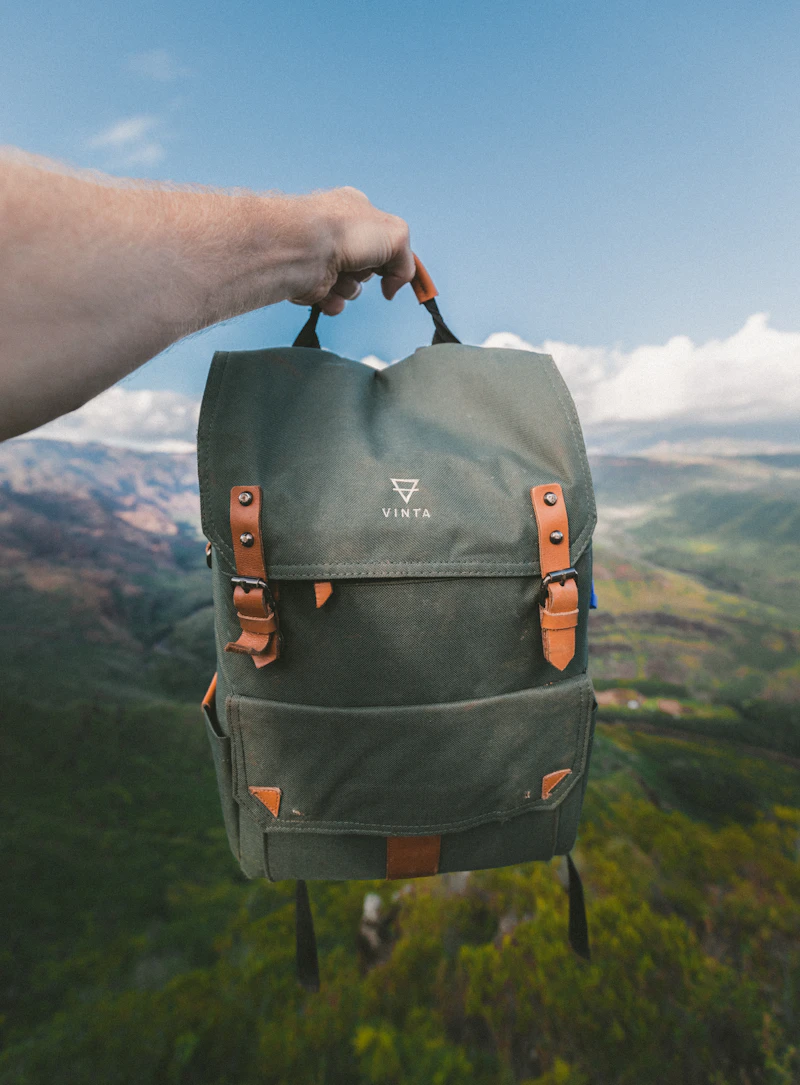
The global backpack manufacturing industry operates from a concentrated base of production facilities, with China, Vietnam, and Bangladesh collectively accounting for approximately 75 per cent of worldwide production volume. For United Kingdom and European buyers, understanding the manufacturing landscape is essential for making informed sourcing decisions that balance cost, quality, compliance, and supply chain resilience.
China remains the dominant manufacturing base for backpacks sold in the United Kingdom and European markets, offering an unmatched combination of scale, material availability, technical capability, and logistics infrastructure. Chinese manufacturers have invested heavily in automation, quality management systems, and environmental compliance over the past decade, making them competitive not only on cost but increasingly on quality and sustainability metrics as well.
Supply Chain Resilience Considerations
The disruptions of recent years have highlighted the importance of supply chain resilience in backpack manufacturing. Leading brands are diversifying their supplier base, building buffer stock, and investing in stronger relationships with fewer, higher-quality manufacturing partners. This approach reduces risk while maintaining the cost advantages of large-scale production. For United Kingdom buyers, working with an established manufacturing partner that has proven compliance track records and robust quality management systems provides an important foundation for supply chain stability.
Materials and Build Quality for Your Quality Backpacks Project
Your material selection is the single most important decision in quality backpacks manufacturing, fundamentally influencing durability, aesthetics, weight, water resistance, and cost. For United Kingdom business-to-business orders, the most popular fabric options include 600D and 900D polyester for general-purpose products, recycled rPET polyester for sustainable product lines, ballistic nylon and Cordura nylon for premium and heavy-duty applications, and coated or laminated fabrics for waterproof designs. Each material carries distinct performance characteristics and cost implications that should be evaluated against your target use case and price point.
Fabric Selection Criteria
When selecting fabrics for your quality backpacks project, consider these key performance parameters: denier weight, where higher denier indicates thicker and more durable yarns; tensile strength, which measures resistance to pulling forces; abrasion resistance, indicating ability to withstand surface wear; tear strength, measuring resistance to propagating tears; water resistance, whether inherent or through coating and lamination; ultraviolet resistance, particularly important for outdoor products; colourfastness, measuring resistance to fading from light and washing; and chemical compliance, ensuring adherence to REACH and other regulatory requirements for the United Kingdom market.
For corporate and promotional quality backpacks where brand perception matters, the fabric hand-feel and visual appearance are equally important. A 600D polyester with a soft-touch coating can feel significantly more premium than standard polyester at only marginally higher cost. Similarly, choosing a subtle ripstop texture over plain weave can add visual interest and perceived quality without major cost implications.
Hardware, Zips, and Components
Beyond fabrics, the quality of hardware components significantly impacts both product performance and perceived value. Key hardware elements include buckles in side-release, ladder lock, or D-ring types; zipper pulls in standard, branded, or custom-moulded varieties; adjusters for shoulder straps; and attachment points for accessories. Specify components from reputable suppliers such as YKK, Woojin, or Duraflex to ensure consistent quality and reliable performance over the product lifetime.
Branding Options: Logo, Print, and Embroidery
Branding transforms a generic backpack into a powerful marketing tool that communicates your brand values every time it is used. The choice of branding method depends on your order quantity, artwork complexity, desired aesthetic, and budget. For United Kingdom business-to-business orders, the most common branding methods include embroidery for a premium corporate look, screen printing for cost-effective large runs, heat transfer for full-colour and photographic artwork, woven labels for subtle and durable identification, and rubber or silicone patches for a modern three-dimensional appearance.
| Method | Best For | Advantages | Considerations |
|---|---|---|---|
| Embroidery | Corporate and premium gifting | Durable, premium look, tactile quality | Small text may lose detail; higher unit cost |
| Screen Print | Large runs and flat artwork | Low unit cost at scale, bold colours | Needs smooth print area; limited detail |
| Heat Transfer | Gradients and photo-style artwork | High detail, full colour range | Durability depends on film and fabric compatibility |
| Woven Label | Subtle branding and inside labels | Very durable, professional finish | Small format; best for logos and text |
| Rubber Patch | Outdoor and sports lines | Modern, dimensional, weatherproof | Tooling cost; confirm minimum order quantities |
| Debossing | Leather and premium materials | Subtle, sophisticated, no colour needed | Requires specific material types; limited detail |
For logo placement strategy, consider visibility during typical use scenarios. A logo on the back panel is visible when the bag is set down but hidden during wear. Front pocket placement offers maximum visibility during use. Shoulder strap branding provides constant exposure during commuting and walking. Many successful corporate programmes combine multiple placement points for maximum brand impact across different usage contexts.
MOQ, Samples, Lead Times and Delivery to the United Kingdom
Understanding minimum order quantities, sampling processes, and lead times is essential for planning your backpack procurement effectively. The backpack manufacturing industry operates on made-to-order principles, meaning each production run is customised to your specifications rather than drawn from existing stock. This approach ensures you receive exactly the product you want, but requires careful planning around timelines and quantities.
- Minimum order quantity: depends on fabric choice and customisation level; standard models with logo branding typically 100 to 200 units; fully custom designs 300 to 500 units minimum; some suppliers offer small-batch options from 50 units for standard models
- Sampling: pre-production samples take 7 to 14 days; expect 1 to 2 revision rounds; sample fees typically GBP 50 to 150 per design, credited against bulk order
- Lead time: production ranges from 15 to 30 days after final sample approval; add complexity for custom dye lots or special hardware
- Delivery to United Kingdom: sea freight 7 to 14 days; rail freight 18 to 25 days; air freight 3 to 5 days; factor in customs clearance time
- Documentation: commercial invoice, packing list, bill of lading, certificate of origin; UKCA or REACH compliance certificates as needed
Pro Tip: Build Buffer Time
For fixed-date projects such as conference giveaways, product launches, or seasonal promotions, we strongly recommend building a minimum four-week buffer into your timeline. Material procurement delays, production quality holds, and logistics disruptions can each add days or weeks to the schedule, and having buffer time protects you from costly express shipping charges or missed deadlines.
Pricing Factors and Cost Control
The unit price of a custom quality backpacks depends on multiple factors that interact in complex ways. Understanding these cost drivers enables you to make informed trade-offs that optimise value without compromising quality.
| Factor | Impact | Optimisation Strategy |
|---|---|---|
| Fabric choice | High | 600D polyester offers best value; recycled options add 10 to 15 per cent |
| Complexity of design | Medium | Simplify construction where possible without sacrificing function |
| Zipper and hardware quality | Medium | Premium for main stress points; standard for secondary areas |
| Branding method | Low to Medium | Embroidery for premium; screen print for volume |
| Order quantity | High | Unit cost drops 15 to 30 per cent when moving from 200 to 500 units |
| Custom hardware or tooling | Medium to High | Standard components significantly reduce upfront costs |
Budget Planning Guide
For a mid-specification quality backpacks project, expect the following approximate unit costs based on order quantity. These are indicative factory prices and exclude shipping, customs duties, and branding costs. Contact our quotation team for a precise quotation tailored to your specifications.
Building a Quality Control Programme for Your Brand
Establishing an effective quality control programme requires clear specifications, documented procedures, and consistent execution across the supply chain.
Essential Elements
Every quality control programme should include a detailed product specification document that defines acceptable quality parameters for every component and construction detail, an approved sample that serves as the physical benchmark for production quality, a quality manual that outlines inspection procedures and acceptance criteria, regular factory audits that verify ongoing compliance with quality management standards, and a corrective action process that addresses identified issues and prevents recurrence.
Pro Tip: Invest in Prevention
The cost of preventing a quality issue is typically 10 to 100 times lower than the cost of correcting it after it has occurred. Investing in clear specifications, approved samples, and early-stage inspection delivers far greater returns than attempting to manage quality problems after production is complete.
Related Articles & Resources
- OEM/ODM Manufacturing Services
- Custom Business Backpacks
- Get a Free Quote
- About Black Backpack UK
- Blog and Insights
- Contact Our Team
- Environmental Management Sustainability Practices Backpack Manufacturing
- Backpack Assembly Line Optimization Strategies
- Industrial Strength Backpacks For Workers
- Durable Materials Used In Professional Backpacks
- High Impact Promotional Bags For Product Launches
- Import Export Regulations Backpack Manufacturing Compliance
- Corporate Gift Bags For Conferences Meetings
- Laptop Bags For Students Professionals Dual Use
- Travel Bags With Multiple Pockets For Organisation
Frequently Asked Questions
How do I start a custom backpack manufacturing project?
Prepare a brief covering your target market, specifications, quantities, budget, and timeline. Submit this for quotation and feasibility assessment. The process then moves to sampling, revision, approval, and production. Black Backpack UK guides you through every step, from initial concept to final delivery, ensuring clear communication and predictable outcomes.
What quality certifications should a backpack manufacturer hold?
ISO 9001 for quality management, ISO 14001 for environmental management, BSCI for social compliance, OEKO-TEX Standard 100 for chemical safety, and SEDEX or SMETA audit membership all demonstrate commitment to systematic quality and compliance. These certifications provide assurance that your products will meet the regulatory and ethical standards expected in the United Kingdom and European markets.
What is the typical lead time for backpack manufacturing?
Standard timelines include 7 to 14 days for sampling, 20 to 35 days for production, and 7 to 21 days for shipping to the United Kingdom. Total lead time is typically 6 to 10 weeks from design approval to delivery. Rush production is sometimes available at a premium for time-critical projects, though we recommend planning ahead to avoid unnecessary costs.
What materials are best for sustainable backpacks?
Recycled polyester made from post-consumer PET bottles is the most widely adopted sustainable material, offering comparable performance to virgin polyester at a 10 to 15 per cent cost premium. Organic cotton, recycled nylon, and biodegradable packaging options are also available. All sustainable materials can be certified to Global Recycled Standard or OEKO-TEX, providing verifiable environmental claims.
How do I ensure compliance with UK and EU regulations?
Work with a manufacturer that provides REACH compliance certificates for all materials, UKCA or CE marking where applicable, and full test reports from accredited laboratories. Your manufacturer should also maintain ISO 9001 quality management certification and provide a Declaration of Conformity with every shipment. Complete documentation ensures your products meet all regulatory requirements for sale in the United Kingdom and European Union.