The quality and efficiency of backpack manufacturing operations are fundamentally determined by the skills and capabilities of the workforce. As the industry evolves with new materials, automated processes, and increasingly demanding quality standards, investing in workforce training is not optional but essential for maintaining competitiveness and delivering consistent product quality. This guide examines the key skills required in modern backpack manufacturing, effective training methodologies, and strategies for continuous skills development.
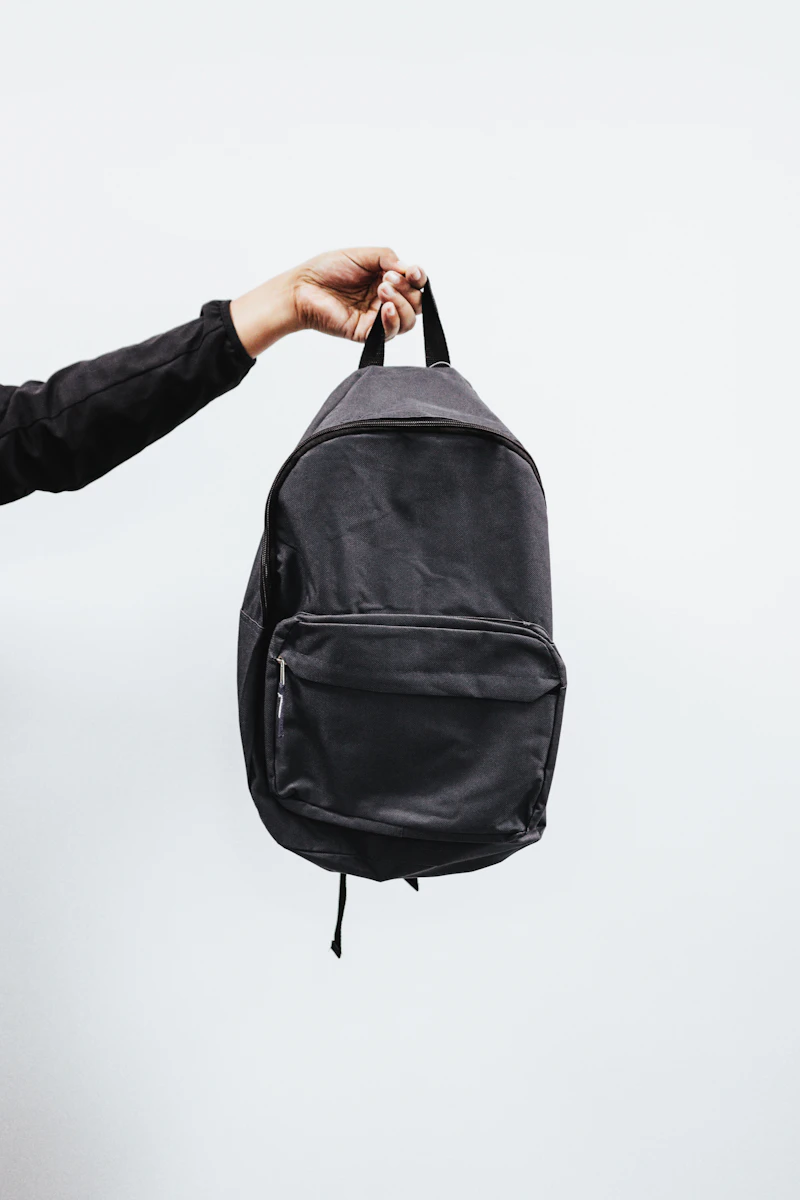
At Black Backpack UK, we invest continuously in workforce training and development, ensuring our manufacturing team maintains the skills needed to deliver exceptional quality. Our commitment to operational excellence includes comprehensive training programmes at every level.
Core Skills in Backpack Manufacturing
Sewing and Assembly Skills
Sewing remains the core competency in backpack manufacturing, requiring both manual dexterity and technical understanding. Operators must master straight stitching, curved stitching, corner turning, bar-tacking, and zip insertion across a range of fabric types and thicknesses. The transition from novice to skilled operator typically requires 3 to 6 months of structured training and practice, with ongoing skill refinement over years of experience.
Quality Inspection Skills
Quality inspection requires a distinct skill set focused on visual assessment, measurement verification, and defect identification. Inspectors must understand quality standards, be able to identify different defect types and their severity, and apply consistent judgement across thousands of units. Training programmes for quality inspectors typically combine classroom instruction on standards and procedures with supervised practical application on the production floor.
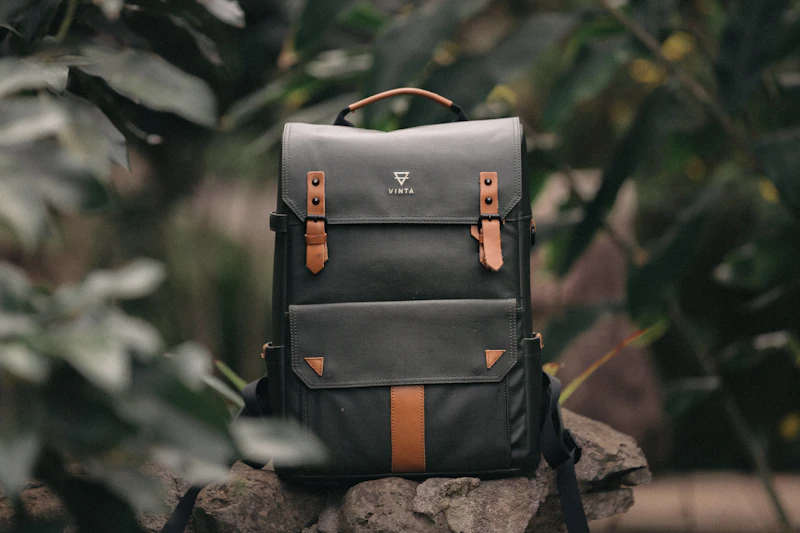
Industry Insights: Global Backpack Manufacturing Landscape
The global backpack manufacturing industry operates from a concentrated base of production facilities, with China, Vietnam, and Bangladesh collectively accounting for approximately 75 per cent of worldwide production volume. For United Kingdom and European buyers, understanding the manufacturing landscape is essential for making informed sourcing decisions that balance cost, quality, compliance, and supply chain resilience.
China remains the dominant manufacturing base for backpacks sold in the United Kingdom and European markets, offering an unmatched combination of scale, material availability, technical capability, and logistics infrastructure. Chinese manufacturers have invested heavily in automation, quality management systems, and environmental compliance over the past decade, making them competitive not only on cost but increasingly on quality and sustainability metrics as well.
Supply Chain Resilience Considerations
The disruptions of recent years have highlighted the importance of supply chain resilience in backpack manufacturing. Leading brands are diversifying their supplier base, building buffer stock, and investing in stronger relationships with fewer, higher-quality manufacturing partners. This approach reduces risk while maintaining the cost advantages of large-scale production. For United Kingdom buyers, working with an established manufacturing partner that has proven compliance track records and robust quality management systems provides an important foundation for supply chain stability.
Training Programme Design
Structured Onboarding
Effective training begins with a structured onboarding programme that introduces new hires to safety procedures, quality standards, and basic operations before they begin independent production. This programme typically spans 2 to 4 weeks, with progressive skill development and increasing autonomy as competence is demonstrated.
Continuous Improvement Training
Beyond initial onboarding, ongoing training ensures that the workforce keeps pace with new materials, processes, and quality requirements. Regular refresher training, cross-skilling programmes that develop flexibility, and improvement workshops that engage operators in problem-solving all contribute to a culture of continuous development.
MOQ, Samples, Lead Times and Delivery to the United Kingdom
Understanding minimum order quantities, sampling processes, and lead times is essential for planning your backpack procurement effectively. The backpack manufacturing industry operates on made-to-order principles, meaning each production run is customised to your specifications rather than drawn from existing stock. This approach ensures you receive exactly the product you want, but requires careful planning around timelines and quantities.
- Minimum order quantity: depends on fabric choice and customisation level; standard models with logo branding typically 100 to 200 units; fully custom designs 300 to 500 units minimum; some suppliers offer small-batch options from 50 units for standard models
- Sampling: pre-production samples take 7 to 14 days; expect 1 to 2 revision rounds; sample fees typically GBP 50 to 150 per design, credited against bulk order
- Lead time: production ranges from 15 to 30 days after final sample approval; add complexity for custom dye lots or special hardware
- Delivery to United Kingdom: sea freight 7 to 14 days; rail freight 18 to 25 days; air freight 3 to 5 days; factor in customs clearance time
- Documentation: commercial invoice, packing list, bill of lading, certificate of origin; UKCA or REACH compliance certificates as needed
Pro Tip: Build Buffer Time
For fixed-date projects such as conference giveaways, product launches, or seasonal promotions, we strongly recommend building a minimum four-week buffer into your timeline. Material procurement delays, production quality holds, and logistics disruptions can each add days or weeks to the schedule, and having buffer time protects you from costly express shipping charges or missed deadlines.
Quality Culture and Continuous Improvement
Beyond individual skills, the most successful manufacturing operations cultivate a quality culture where every team member takes personal responsibility for product excellence and continuous improvement.
Building Quality Mindset
A quality mindset means that every operator views their work not just as a task to be completed but as a contribution to the overall quality of the finished product. This mindset is developed through comprehensive onboarding that explains the importance of quality, ongoing communication about quality performance metrics, recognition programmes that celebrate quality achievements, and empowerment of operators to stop the line when they identify potential issues rather than allowing defects to progress.
Kaizen and Operator-Led Improvement
Kaizen, the Japanese philosophy of continuous improvement, empowers operators to identify and implement improvements to their own work processes. In backpack manufacturing, operator-led improvements might include fixture modifications that improve positioning accuracy, sequence changes that reduce unnecessary movement, or material handling improvements that prevent damage. These small, cumulative improvements driven by the people closest to the work often deliver greater overall impact than top-down initiatives designed without input from the production floor.
Conclusion: Making Informed Sourcing Decisions
Making informed sourcing decisions in the backpack industry requires balancing multiple factors including quality requirements, budget constraints, timeline pressures, sustainability objectives, and brand positioning. The information provided in this guide is intended to support procurement professionals, brand owners, and product developers in navigating these complexities with confidence.
The United Kingdom and European backpack markets continue to evolve rapidly, driven by changing consumer expectations, regulatory requirements, sustainability imperatives, and technological innovation. Brands that invest in understanding these dynamics and building strong manufacturing partnerships will be best positioned to deliver products that meet market demands while maintaining commercial viability.
Throughout every stage of the sourcing journey, from initial concept development through material selection, sampling, production, and delivery, the quality of communication between brand and manufacturer remains the most critical success factor. Clear specifications, realistic timelines, mutual respect, and shared commitment to quality create the foundation for successful partnerships that deliver value for both parties and, ultimately, for the end consumer.
At Black Backpack UK, we are committed to supporting our clients at every stage of this journey. Whether you are developing your first backpack product or expanding an established range, our team brings deep manufacturing expertise, material knowledge, and a commitment to quality that ensures your project succeeds. Based in China with a dedicated focus on the United Kingdom and European markets, we combine competitive pricing with the quality standards, compliance documentation, and communication excellence that modern brands require.
Building a Strategic Sourcing Partnership
The relationship between a brand and its manufacturing partner is one of the most important business relationships in the product development lifecycle. Unlike transactional supplier relationships that focus solely on price, strategic sourcing partnerships are built on mutual understanding, shared objectives, and collaborative problem-solving. For brands operating in the United Kingdom and European markets, where quality expectations and compliance requirements are among the highest in the world, the value of a reliable manufacturing partner cannot be overstated.
Key Partnership Attributes
The most successful manufacturing partnerships share several common characteristics. Transparent communication ensures that both parties understand requirements, constraints, and expectations at every stage. Technical capability provides confidence that the manufacturer can deliver the required quality and volume consistently. Compliance infrastructure ensures that products meet all regulatory requirements for the target market. Financial stability reduces supply chain risk and provides confidence in long-term continuity. Innovation capability allows the partnership to evolve together, developing new products and processes that maintain competitive advantage.
Evaluating Potential Partners
When evaluating potential manufacturing partners, consider these essential criteria: demonstrated experience producing products in your category and for your target market; quality management certification and testing capabilities; compliance documentation and regulatory knowledge for your specific market; production capacity and flexibility to accommodate both current volumes and future growth; communication responsiveness and language capability for effective collaboration; and willingness to provide references from existing clients in similar market segments. Black Backpack UK meets all of these criteria and invites prospective clients to discuss their requirements through our contact page.
Future Trends Shaping the Backpack Industry
The backpack manufacturing industry is undergoing significant transformation driven by technological, environmental, and market forces. Understanding these trends is essential for brands seeking to develop products that remain relevant and competitive over the medium to long term.
Technology Integration
The integration of technology into backpack products is accelerating, with features such as built-in charging ports, tracking devices, anti-theft alarm systems, and smart fabric technologies entering mainstream production. While these features add complexity and cost, they also create opportunities for product differentiation and premium positioning that forward-thinking brands can exploit.
Circular Economy Transition
The transition towards circular economy principles is reshaping material selection, product design, and end-of-life planning. Brands that design for disassembly, use mono-materials that are easier to recycle, and establish take-back programmes for used products will be better positioned as regulatory requirements tighten and consumer expectations evolve.
Personalisation and Mass Customisation
Advances in digital manufacturing technologies are making mass customisation increasingly feasible. The ability to offer personalised colour combinations, monogramming, and modular configurations at scale allows brands to meet growing consumer demand for individuality without sacrificing production efficiency.
Related Articles & Resources
- OEM/ODM Manufacturing Services
- Custom Business Backpacks
- Get a Free Quote
- About Black Backpack UK
- Blog and Insights
- Contact Our Team
- Minimalist Backpack Design Trend Analysis
- Laptop Bags For Students Professionals Dual Use
- Environmental Management Sustainability Practices Backpack Manufacturing
- Durable Materials Used In Professional Backpacks
- Travel Bags With Multiple Pockets For Organisation
- Branded Backpacks For Staff Uniforms Employee Kits
- How Eco Bags Improve Your Corporate Csr
- Waterproof Backpack Design Technology Sealing Methods
- Affordable Corporate Backpack Gifts For Smes
Frequently Asked Questions
How do I start a custom backpack manufacturing project?
Prepare a brief covering your target market, specifications, quantities, budget, and timeline. Submit this for quotation and feasibility assessment. The process then moves to sampling, revision, approval, and production. Black Backpack UK guides you through every step, from initial concept to final delivery, ensuring clear communication and predictable outcomes.
What quality certifications should a backpack manufacturer hold?
ISO 9001 for quality management, ISO 14001 for environmental management, BSCI for social compliance, OEKO-TEX Standard 100 for chemical safety, and SEDEX or SMETA audit membership all demonstrate commitment to systematic quality and compliance. These certifications provide assurance that your products will meet the regulatory and ethical standards expected in the United Kingdom and European markets.
What is the typical lead time for backpack manufacturing?
Standard timelines include 7 to 14 days for sampling, 20 to 35 days for production, and 7 to 21 days for shipping to the United Kingdom. Total lead time is typically 6 to 10 weeks from design approval to delivery. Rush production is sometimes available at a premium for time-critical projects, though we recommend planning ahead to avoid unnecessary costs.
What materials are best for sustainable backpacks?
Recycled polyester made from post-consumer PET bottles is the most widely adopted sustainable material, offering comparable performance to virgin polyester at a 10 to 15 per cent cost premium. Organic cotton, recycled nylon, and biodegradable packaging options are also available. All sustainable materials can be certified to Global Recycled Standard or OEKO-TEX, providing verifiable environmental claims.
How do I ensure compliance with UK and EU regulations?
Work with a manufacturer that provides REACH compliance certificates for all materials, UKCA or CE marking where applicable, and full test reports from accredited laboratories. Your manufacturer should also maintain ISO 9001 quality management certification and provide a Declaration of Conformity with every shipment. Complete documentation ensures your products meet all regulatory requirements for sale in the United Kingdom and European Union.