Corporate social responsibility has evolved from a peripheral concern to a central strategic priority for businesses operating in the United Kingdom and European markets. Among the many initiatives that demonstrate genuine environmental commitment, providing eco-friendly bags to employees, customers, and partners offers a uniquely visible and practical way to communicate your sustainability values. Unlike abstract sustainability reports or distant carbon offset programmes, an eco bag is a tangible product that recipients use daily, creating repeated touchpoints that reinforce your environmental commitment.
This comprehensive guide examines how eco bags can be integrated into corporate social responsibility strategies to deliver measurable benefits across stakeholder engagement, brand reputation, regulatory compliance, and environmental impact reduction. Whether you are developing your first CSR programme or seeking to strengthen an existing one, this guide provides the strategic framework and practical guidance needed to maximise the impact of your eco bag initiative.
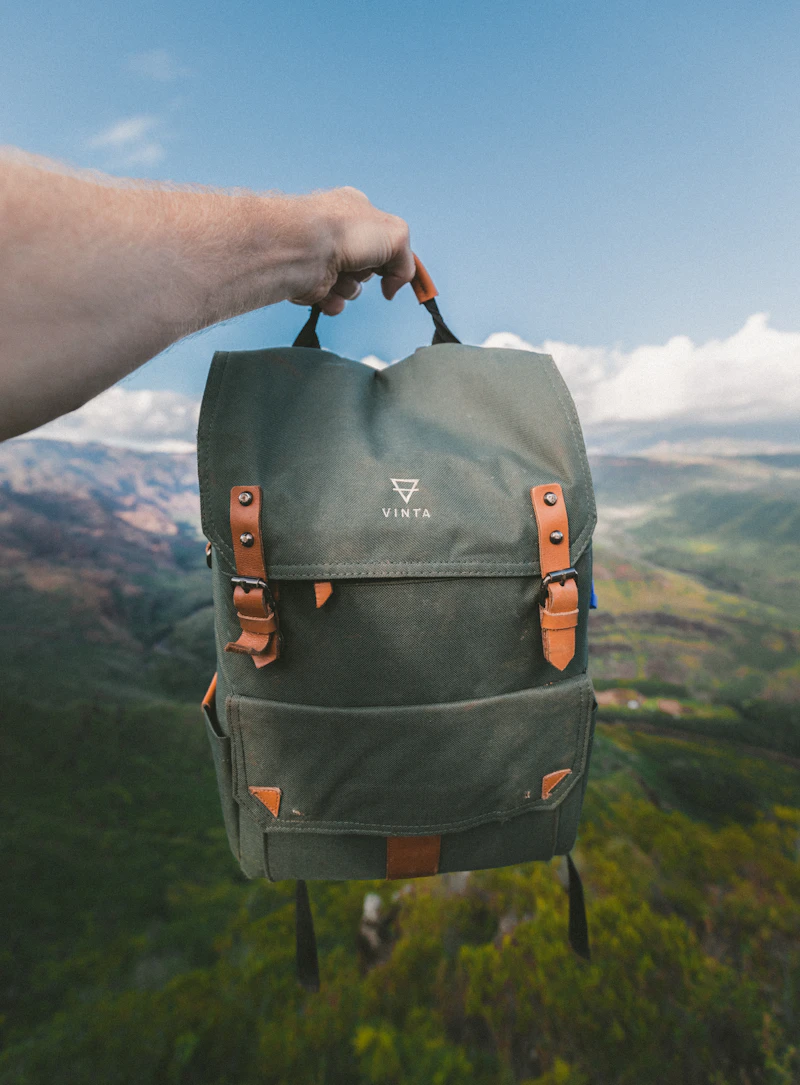
At Black Backpack UK, we are committed to supporting our clients in achieving their sustainability objectives through responsibly manufactured eco bags and backpacks. Our manufacturing services include sustainable material sourcing, certified production processes, and full supply chain documentation to support your CSR reporting.
The Strategic Value of Eco Bags in CSR Programmes
Eco bags serve as a bridge between corporate sustainability ambitions and tangible, visible actions that stakeholders can see, touch, and use. This tangible quality gives eco bags a unique strategic value within CSR programmes that goes beyond their environmental attributes alone.
Demonstrating Commitment Through Action
While sustainability reports and policy statements communicate intent, physical products demonstrate action. When a company provides eco bags made from certified recycled or organic materials to employees and customers, it sends a clear message that sustainability is embedded in operational decisions, not just strategic aspirations. This distinction between intention and action is increasingly important to stakeholders who are sophisticated enough to recognise and question superficial greenwashing.
Creating Alignment Between Values and Behaviour
Eco bags create alignment between corporate values and everyday behaviour in a way that few other sustainability initiatives can achieve. When employees carry an eco bag to work each day, they are physically embodying the company's environmental commitment. When customers use a branded eco bag for shopping or commuting, they become active participants in the sustainability narrative, creating organic word-of-mouth marketing that no advertising campaign can replicate.
Measuring and Reporting Environmental Impact

For eco bags to contribute meaningfully to CSR reporting, their environmental impact must be measured and documented using recognised methodologies.
Key Metrics
- Carbon footprint reduction: Recycled polyester reduces carbon emissions by approximately 59 per cent compared to virgin polyester, while organic cotton eliminates synthetic pesticide use entirely
- Waste diversion: Each kilogramme of recycled polyester diverts approximately 60 plastic bottles from landfill or the natural environment
- Water savings: Recycled polyester uses approximately 47 per cent less water than virgin polyester production; organic cotton uses significantly less irrigation water than conventional cotton
- Chemical reduction: Certified sustainable materials eliminate or reduce the use of hazardous chemicals in production, protecting both workers and the environment
CSR Reporting Tip
When reporting on eco bag initiatives in your sustainability report, include specific quantities of materials used, certifications obtained, carbon savings calculated, and the number of recipients. Quantified data is far more credible than general claims and aligns with the requirements of emerging sustainability reporting standards such as the European Sustainability Reporting Standards.
Industry Insights: Sustainable Materials Market in the UK and Europe

The European sustainable textiles market has experienced remarkable growth, with the United Kingdom emerging as one of the leading markets for eco-friendly bag products. According to industry data compiled from multiple market research sources, the United Kingdom sustainable bag market was valued at approximately GBP 890 million in 2024, with annual growth rates of 8 to 12 per cent projected through 2028. This growth significantly outpaces the conventional bag market, indicating a structural shift in consumer preferences and procurement policies.
Several regulatory drivers are accelerating this trend. The European Union Green Deal and associated textile strategy set ambitious targets for circular economy compliance in textile products. The United Kingdom Environment Act introduces similar requirements for products sold domestically, including extended producer responsibility obligations that make brand owners accountable for the end-of-life processing of their products. These regulatory frameworks are creating both opportunities and imperatives for brands to transition towards more sustainable materials and manufacturing processes.
Consumer Behaviour Shifts
Consumer research conducted across the United Kingdom and European markets reveals a significant and accelerating shift in purchasing behaviour. Approximately 63 per cent of United Kingdom consumers now actively seek out products with verifiable environmental credentials before making a purchase decision. Among millennials and Generation Z consumers, this figure rises to 74 per cent. For business-to-business buyers, this translates into growing pressure from brand clients to offer sustainable product lines that meet both regulatory requirements and consumer expectations.
Supply Chain Transparency Demands
Beyond material selection, brands are increasingly scrutinising the entire supply chain for environmental impact. This includes manufacturing energy consumption, water usage, chemical management, waste generation, and transportation emissions. Manufacturers that can provide transparent, auditable data across these dimensions gain a significant competitive advantage in the United Kingdom and European markets. Certifications such as Global Recycled Standard, OEKO-TEX, and ISO 14001 provide independently verified assurance that supports credible sustainability claims.
Materials and Build Quality for Your Eco Bags Project

Your material selection is the single most important decision in eco bags manufacturing, fundamentally influencing durability, aesthetics, weight, water resistance, and cost. For United Kingdom business-to-business orders, the most popular fabric options include 600D and 900D polyester for general-purpose products, recycled rPET polyester for sustainable product lines, ballistic nylon and Cordura nylon for premium and heavy-duty applications, and coated or laminated fabrics for waterproof designs. Each material carries distinct performance characteristics and cost implications that should be evaluated against your target use case and price point.
Fabric Selection Criteria
When selecting fabrics for your eco bags project, consider these key performance parameters: denier weight, where higher denier indicates thicker and more durable yarns; tensile strength, which measures resistance to pulling forces; abrasion resistance, indicating ability to withstand surface wear; tear strength, measuring resistance to propagating tears; water resistance, whether inherent or through coating and lamination; ultraviolet resistance, particularly important for outdoor products; colourfastness, measuring resistance to fading from light and washing; and chemical compliance, ensuring adherence to REACH and other regulatory requirements for the United Kingdom market.
For corporate and promotional eco bags where brand perception matters, the fabric hand-feel and visual appearance are equally important. A 600D polyester with a soft-touch coating can feel significantly more premium than standard polyester at only marginally higher cost. Similarly, choosing a subtle ripstop texture over plain weave can add visual interest and perceived quality without major cost implications.
Hardware, Zips, and Components
Beyond fabrics, the quality of hardware components significantly impacts both product performance and perceived value. Key hardware elements include buckles in side-release, ladder lock, or D-ring types; zipper pulls in standard, branded, or custom-moulded varieties; adjusters for shoulder straps; and attachment points for accessories. Specify components from reputable suppliers such as YKK, Woojin, or Duraflex to ensure consistent quality and reliable performance over the product lifetime.
Branding Options: Logo, Print, and Embroidery
Branding transforms a generic backpack into a powerful marketing tool that communicates your brand values every time it is used. The choice of branding method depends on your order quantity, artwork complexity, desired aesthetic, and budget. For United Kingdom business-to-business orders, the most common branding methods include embroidery for a premium corporate look, screen printing for cost-effective large runs, heat transfer for full-colour and photographic artwork, woven labels for subtle and durable identification, and rubber or silicone patches for a modern three-dimensional appearance.
| Method | Best For | Advantages | Considerations |
|---|---|---|---|
| Embroidery | Corporate and premium gifting | Durable, premium look, tactile quality | Small text may lose detail; higher unit cost |
| Screen Print | Large runs and flat artwork | Low unit cost at scale, bold colours | Needs smooth print area; limited detail |
| Heat Transfer | Gradients and photo-style artwork | High detail, full colour range | Durability depends on film and fabric compatibility |
| Woven Label | Subtle branding and inside labels | Very durable, professional finish | Small format; best for logos and text |
| Rubber Patch | Outdoor and sports lines | Modern, dimensional, weatherproof | Tooling cost; confirm minimum order quantities |
| Debossing | Leather and premium materials | Subtle, sophisticated, no colour needed | Requires specific material types; limited detail |
For logo placement strategy, consider visibility during typical use scenarios. A logo on the back panel is visible when the bag is set down but hidden during wear. Front pocket placement offers maximum visibility during use. Shoulder strap branding provides constant exposure during commuting and walking. Many successful corporate programmes combine multiple placement points for maximum brand impact across different usage contexts.
MOQ, Samples, Lead Times and Delivery to the United Kingdom
Understanding minimum order quantities, sampling processes, and lead times is essential for planning your backpack procurement effectively. The backpack manufacturing industry operates on made-to-order principles, meaning each production run is customised to your specifications rather than drawn from existing stock. This approach ensures you receive exactly the product you want, but requires careful planning around timelines and quantities.
- Minimum order quantity: depends on fabric choice and customisation level; standard models with logo branding typically 100 to 200 units; fully custom designs 300 to 500 units minimum; some suppliers offer small-batch options from 50 units for standard models
- Sampling: pre-production samples take 7 to 14 days; expect 1 to 2 revision rounds; sample fees typically GBP 50 to 150 per design, credited against bulk order
- Lead time: production ranges from 15 to 30 days after final sample approval; add complexity for custom dye lots or special hardware
- Delivery to United Kingdom: sea freight 7 to 14 days; rail freight 18 to 25 days; air freight 3 to 5 days; factor in customs clearance time
- Documentation: commercial invoice, packing list, bill of lading, certificate of origin; UKCA or REACH compliance certificates as needed
Pro Tip: Build Buffer Time
For fixed-date projects such as conference giveaways, product launches, or seasonal promotions, we strongly recommend building a minimum four-week buffer into your timeline. Material procurement delays, production quality holds, and logistics disruptions can each add days or weeks to the schedule, and having buffer time protects you from costly express shipping charges or missed deadlines.
Pricing Factors and Cost Control
The unit price of a custom eco bags depends on multiple factors that interact in complex ways. Understanding these cost drivers enables you to make informed trade-offs that optimise value without compromising quality.
| Factor | Impact | Optimisation Strategy |
|---|---|---|
| Fabric choice | High | 600D polyester offers best value; recycled options add 10 to 15 per cent |
| Complexity of design | Medium | Simplify construction where possible without sacrificing function |
| Zipper and hardware quality | Medium | Premium for main stress points; standard for secondary areas |
| Branding method | Low to Medium | Embroidery for premium; screen print for volume |
| Order quantity | High | Unit cost drops 15 to 30 per cent when moving from 200 to 500 units |
| Custom hardware or tooling | Medium to High | Standard components significantly reduce upfront costs |
Budget Planning Guide
For a mid-specification eco bags project, expect the following approximate unit costs based on order quantity. These are indicative factory prices and exclude shipping, customs duties, and branding costs. Contact our quotation team for a precise quotation tailored to your specifications.
Related Articles & Resources
- OEM/ODM Manufacturing Services
- Custom Business Backpacks
- Get a Free Quote
- About Black Backpack UK
- Blog and Insights
- Contact Our Team
- Import Export Regulations Backpack Manufacturing Compliance
- Promotional Backpacks Vs Tote Bags Which Is Better
- High Impact Promotional Bags For Product Launches
- Laptop Bags For Students Professionals Dual Use
- Environmental Management Sustainability Practices Backpack Manufacturing
- Industrial Strength Backpacks For Workers
- Corporate Gift Bags For Conferences Meetings
- Affordable Corporate Backpack Gifts For Smes
- Minimalist Backpack Design Trend Analysis
Frequently Asked Questions
How do I start a custom backpack manufacturing project?
Prepare a brief covering your target market, specifications, quantities, budget, and timeline. Submit this for quotation and feasibility assessment. The process then moves to sampling, revision, approval, and production. Black Backpack UK guides you through every step, from initial concept to final delivery, ensuring clear communication and predictable outcomes.
What quality certifications should a backpack manufacturer hold?
ISO 9001 for quality management, ISO 14001 for environmental management, BSCI for social compliance, OEKO-TEX Standard 100 for chemical safety, and SEDEX or SMETA audit membership all demonstrate commitment to systematic quality and compliance. These certifications provide assurance that your products will meet the regulatory and ethical standards expected in the United Kingdom and European markets.
What is the typical lead time for backpack manufacturing?
Standard timelines include 7 to 14 days for sampling, 20 to 35 days for production, and 7 to 21 days for shipping to the United Kingdom. Total lead time is typically 6 to 10 weeks from design approval to delivery. Rush production is sometimes available at a premium for time-critical projects, though we recommend planning ahead to avoid unnecessary costs.
What materials are best for sustainable backpacks?
Recycled polyester made from post-consumer PET bottles is the most widely adopted sustainable material, offering comparable performance to virgin polyester at a 10 to 15 per cent cost premium. Organic cotton, recycled nylon, and biodegradable packaging options are also available. All sustainable materials can be certified to Global Recycled Standard or OEKO-TEX, providing verifiable environmental claims.
How do I ensure compliance with UK and EU regulations?
Work with a manufacturer that provides REACH compliance certificates for all materials, UKCA or CE marking where applicable, and full test reports from accredited laboratories. Your manufacturer should also maintain ISO 9001 quality management certification and provide a Declaration of Conformity with every shipment. Complete documentation ensures your products meet all regulatory requirements for sale in the United Kingdom and European Union.