Cost-Effective Branded Bag Solutions for Small Businesses
Introduction: Why Branded Bags Matter for Small Businesses
In the competitive landscape of UK small business marketing, branded bags have emerged as one of the most cost-effective promotional tools available. Unlike fleeting digital advertisements that disappear within seconds, a well-crafted promotional bag works continuously — carried on high streets, transported to offices, and displayed at events — generating hundreds of brand impressions over its lifetime.
The promotional products industry in the United Kingdom is valued at over £1.6 billion, with bags consistently ranking among the top three most requested product categories. According to the British Promotional Merchandise Association (BPMA), branded bags achieve an average cost-per-impression of just £0.02–£0.05, making them substantially cheaper than print advertising, radio spots, or social media campaigns.
For small businesses operating on tight marketing budgets, the question is not whether to invest in branded bags, but how to maximise the return on that investment. This comprehensive guide explores every dimension of cost-effective branded bag solutions — from material selection and design optimisation to supplier negotiation and distribution strategy.
Understanding the Branded Bag Market in the UK
Market Size and Growth
The UK promotional merchandise market has demonstrated remarkable resilience and growth. In 2023, total expenditure on promotional products reached £1.67 billion, representing a 4.2% year-on-year increase. Bags accounted for approximately 18% of this spend, making it the second-largest category after writing instruments.
Consumer research conducted by the Promotional Products Association International (PPAI) reveals that 68% of consumers are more likely to do business with a company that provides them with a promotional bag. Among millennials and Gen Z demographics, this figure rises to 78%, reflecting younger consumers' appreciation for practical, sustainable branded merchandise.
Key Market Segments
The branded bag market in the UK can be segmented into several distinct categories, each with different price points and value propositions:
- Non-woven promotional bags: The most affordable option, costing £0.80–£3.00 per unit. Ideal for large-scale distribution at trade shows, exhibitions, and street-level marketing campaigns. While not the most durable, they offer excellent print areas and vibrant colour reproduction.
- Cotton and canvas bags: Priced between £2.50 and £12.00, these bags offer a premium tactile experience that aligns with sustainable brand positioning. Organic cotton options command a 20–30% premium but appeal strongly to environmentally conscious consumers.
- Polyester and nylon bags: Ranging from £3.00 to £15.00, these offer the best balance of durability and cost. Recycled polyester (rPET) options have gained significant traction, with demand growing 35% year-on-year among UK businesses.
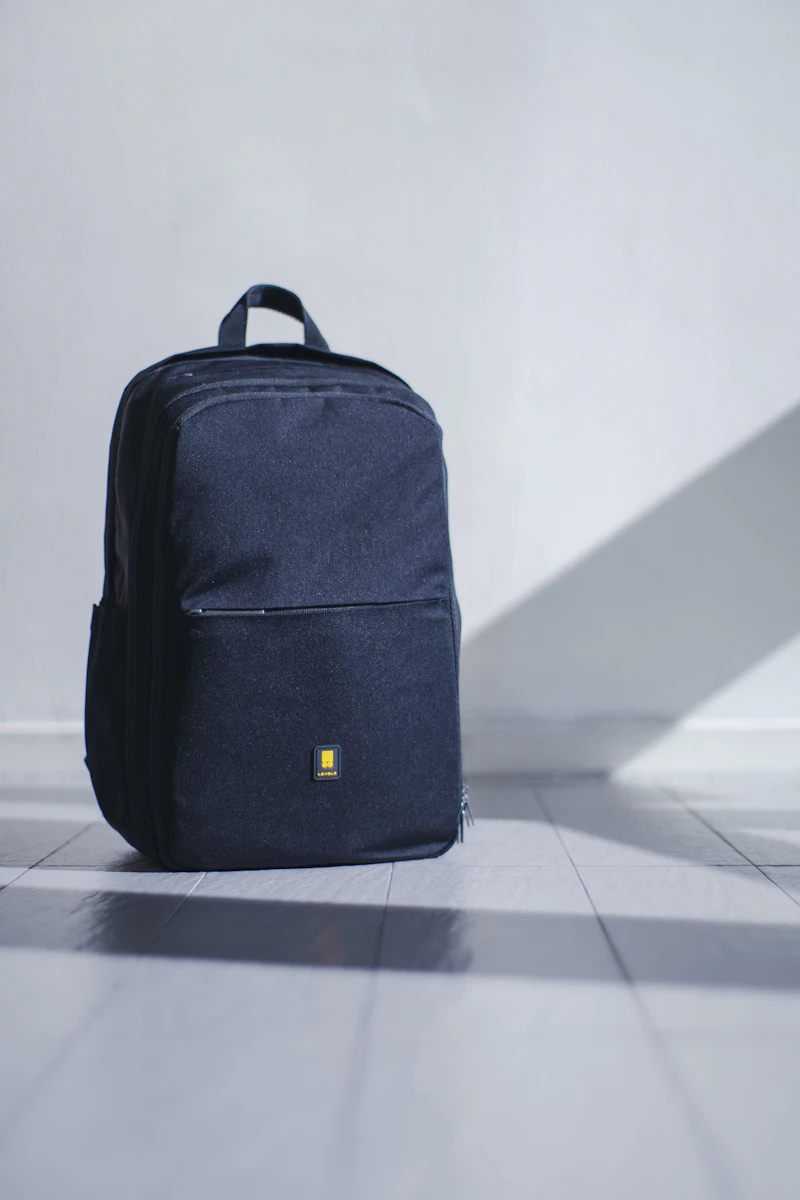
- Specialty bags (laptop, travel, sports): Premium segment priced £8.00–£35.00+, suitable for corporate gifting, high-value client retention, and executive events.
Material Selection: Balancing Cost, Quality, and Sustainability
The material you choose for your branded bags is the single most significant factor determining both cost and perceived value. Understanding the trade-offs between different materials enables small businesses to make informed decisions that align with their brand positioning and budget constraints.
Recycled Non-Woven Polypropylene
Non-woven polypropylene (NWPP) remains the most economical choice for high-volume promotional bag campaigns. Manufacturing costs are low because the material is produced through a relatively simple extrusion process, and the bags can be assembled quickly using automated heat-sealing equipment. For UK businesses ordering 1,000+ units, the per-unit cost can be as low as £0.60–£1.20.
Modern NWPP bags are manufactured using recycled content (typically 30–50% post-consumer recycled polypropylene), addressing sustainability concerns while maintaining the cost advantage. The print quality on NWPP has improved dramatically in recent years, with flexographic printing capable of reproducing complex logos and multi-colour designs with acceptable accuracy.
Organic Cotton and Canvas
Cotton bags occupy the premium end of the promotional bag market, but they need not break the bank. A standard 180gsm natural cotton tote bag can be sourced for £2.50–£4.00 in quantities of 500+, while heavier 240gsm canvas bags range from £4.00 to £8.00. The key cost drivers are fabric weight, bag dimensions, and the complexity of any additional features such as zippers, internal pockets, or reinforced bases.
For small businesses targeting eco-conscious demographics, the modest premium for organic cotton (GOTS-certified) delivers outsized brand value. Research by Mintel indicates that 56% of UK consumers have purchased from brands specifically because of their sustainability credentials.
Recycled Polyester (rPET)
Recycled polyester manufactured from post-consumer plastic bottles represents an innovative middle ground. The material offers the durability and colour-fastness of virgin polyester while reducing environmental impact by up to 75% compared to conventional polyester production. Pricing for rPET bags typically falls between £3.00 and £8.00 per unit, depending on specifications.
The Global Recycled Standard (GRS) certification ensures traceability and authenticity of recycled content, which is increasingly important as UK consumers become more sceptical of unsubstantiated environmental claims. For businesses seeking to substantiate their sustainability messaging, GRS-certified rPET bags provide both functional and marketing value.
Design Strategies That Maximise Impact Within Budget
Effective branded bag design does not require expensive agencies or complex artwork. Small businesses can achieve outstanding results by following evidence-based design principles that maximise visual impact while keeping production costs manageable.
Keep the Design Simple
The most effective promotional bag designs are clean and straightforward. A single bold logo with one or two brand colours consistently outperforms complex, multi-element designs — particularly when using cost-effective print methods like screen printing. Each additional colour in a screen print adds £0.15–£0.40 per unit in setup and production costs, so limiting your design to two or three colours can yield significant savings at scale.
Optimise the Print Area
Understanding the printable area of your chosen bag style prevents costly design revisions and ensures your branding is prominent. Standard tote bags offer a print area of approximately 30cm × 30cm on each side, while backpacks provide a larger canvas of 35cm × 40cm on the main panel. Design your artwork to fill the available space without extending beyond it — oversized designs that require repositioning or scaling incur additional setup charges.
Choose the Right Print Method
The print method you select has a profound impact on both cost and quality:
- Screen printing: Most economical for orders above 100 units with simple designs (1–3 colours). Setup costs of £30–£80 per colour are amortised across the entire order, making per-unit costs very competitive.
- Digital/DTG printing: Ideal for complex, full-colour designs or small batches (50–200 units). No setup costs, but per-unit pricing is 20–40% higher than screen printing for larger quantities.
- Heat transfer: Suitable for polyester bags and intricate designs. Offers excellent durability and colour vibrancy. Cost-effective for mid-sized orders of 200–500 units.
- Embroidery: Premium finish ideal for corporate bags and executive merchandise. Higher per-unit cost (£2–£5 additional per bag) but delivers a luxurious, long-lasting brand impression that justifies the investment for client-facing applications.
Industry Insights: How Small UK Businesses Are Winning with Branded Bags
The landscape of promotional bags in the UK is evolving rapidly. Industry insights reveal several key trends that small businesses can leverage to gain competitive advantage while managing costs effectively.
Trend 1: The Shift Towards Sustainability
UK legislation, including the Plastic Tax introduced in April 2022 (charging £210.82 per tonne on plastic packaging with less than 30% recycled content), has accelerated the shift towards sustainable bag materials. Small businesses that proactively adopt recycled or organic materials not only reduce their environmental footprint but also avoid potential tax liabilities and align with growing consumer expectations.
According to a 2024 survey by YouGov, 63% of UK consumers view companies more favourably when they use sustainable promotional products. Among consumers aged 18–34, this figure rises to 74%. For small businesses competing against larger competitors with bigger marketing budgets, sustainability offers an accessible differentiator.
Trend 2: Personalisation at Scale
Advances in digital printing technology have made it economically viable to personalise promotional bags — even for relatively small orders. Some suppliers now offer variable data printing that allows individual bags to feature different names, messages, or designs within the same production run, enabling hyper-targeted campaigns that dramatically increase engagement and perceived value.
Trend 3: Multi-Functional Designs
The most successful branded bag programmes in 2024 feature multi-functional designs that recipients actually want to use daily. Laptop compartments, USB charging ports, foldable designs, and convertible styles (backpack-to-tote) increase bag usage frequency by an estimated 40–60%, directly multiplying brand exposure. While these features add £1–£3 to production cost, the cost-per-impression calculation becomes even more favourable.
Step-by-Step Guide to Ordering Cost-Effective Branded Bags
Navigating the process of ordering custom branded bags can seem daunting for first-time buyers. This step-by-step guide demystifies the process and helps small businesses achieve the best possible outcome within their budget.
Step 1: Define Your Objective
Before contacting suppliers, clearly articulate what you need the bags to achieve. Common objectives for small businesses include brand awareness at events, customer retention through gift-with-purchase programmes, employee engagement through branded work bags, and trade show lead generation. Your objective determines the bag style, quality level, and quantity required.
Step 2: Set Your Budget
Establish a realistic budget based on your objective. As a rule of thumb, allocate £1.50–£5.00 per unit for basic promotional bags (events, street distribution), £5.00–£12.00 for mid-range branded bags (customer gifts, retail merchandise), and £12.00–£30.00 for premium executive bags (client retention, high-value partnerships). Remember to factor in shipping costs (typically 8–12% of order value for sea freight, 20–30% for air).
Step 3: Select Your Supplier
Request quotes from at least three suppliers, providing identical specifications to each to enable fair comparison. Evaluate suppliers not just on price but on communication responsiveness, sample quality, production lead times, and willingness to accommodate small orders. UK-based agents offer faster communication and easier returns, while direct-from-China manufacturers offer lower prices but longer lead times.
Step 4: Request and Evaluate Samples
Never commit to a bulk order without first evaluating a physical sample. Assess the material weight and texture, print quality and colour accuracy, stitching quality and seam strength, zip and buckle functionality, and overall finish and presentation. A reputable supplier should provide pre-production samples within 5–7 working days.
Step 5: Approve and Monitor Production
Once you approve the sample, production typically takes 10–20 working days depending on order size and complexity. Request production photos at key milestones (cutting, printing, assembly, packaging) to ensure quality is maintained throughout the run. Address any concerns immediately — it is far cheaper to rectify issues during production than after shipment.
Step 6: Plan Your Distribution
The most beautifully produced branded bag delivers zero return if it sits in a storeroom. Plan your distribution strategy before the bags arrive: schedule event dates, coordinate with retail locations, prepare customer mailing campaigns, and brief your team on how and when to distribute the bags. A well-planned distribution strategy can increase the effective ROI of your branded bag investment by 200–300%.
Best Practices for Maximising ROI on Branded Bag Campaigns
Getting the best return from your branded bag investment requires strategic thinking beyond the purchase itself. These best practices, drawn from successful campaigns run by UK small businesses, will help you maximise every pound spent.
Practice 1: Choose Bags People Actually Want
The single biggest determinant of branded bag effectiveness is whether recipients actually use the bag. Research by the Advertising Specialty Institute (ASI) shows that 85% of consumers keep and use promotional bags, compared to just 52% for promotional USB sticks and 39% for promotional drinkware. However, the quality and attractiveness of the bag significantly influences this figure. A flimsy, poorly designed bag may be used once and then discarded, whereas a well-designed, functional bag can be used hundreds of times over several years.
Practice 2: Align Bag Style with Target Audience
Understanding your target demographic ensures you choose a bag style that resonates. Younger audiences (18–30) tend to prefer backpacks and crossbody bags with modern aesthetics and tech features. Professional demographics (30–55) respond well to laptop bags, messenger bags, and smart totes. For family-oriented campaigns, large-capacity shoppers and foldable bags tend to perform best.
Practice 3: Time Your Campaign Strategically
Seasonal timing significantly impacts the effectiveness of branded bag campaigns. Back-to-school season (August–September) is ideal for backpacks and laptop bags. January and February are peak times for new-year promotional campaigns. Summer festivals and outdoor events (June–August) provide high-visibility distribution opportunities. Pre-Christmas (October–November) is the optimal window for corporate gifting programmes.
Practice 4: Measure and Iterate
While measuring the exact ROI of promotional bags is challenging, simple tracking methods can provide valuable insights. Include a unique landing page URL or QR code on the bag to track engagement. Survey customers to ask how they heard about your business. Track social media mentions and user-generated content featuring your branded bags. Use these data points to refine your approach for future campaigns.
Practice 5: Combine with Digital Marketing
Branded bags become even more powerful when integrated with digital marketing efforts. Include a QR code linking to a special landing page, encourage social media sharing with a branded hashtag, use bags as prizes in online competitions, and feature your branded bag campaign in email newsletters to amplify reach. The combination of physical and digital touchpoints creates a multi-channel brand experience that is significantly more effective than either channel alone.

Market Trends: UK Branded Bag Industry Data 2024–2025
Understanding current market trends enables small businesses to make forward-looking decisions about their branded bag investments. The following data points and trends highlight the trajectory of the UK promotional bag market.
Market Growth Projections
The UK promotional merchandise market is projected to grow from £1.67 billion (2023) to £2.05 billion by 2027, representing a compound annual growth rate (CAGR) of 5.2%. The bags segment is expected to outpace this average, growing at 6.1% annually, driven by increasing demand for sustainable materials and the rising cost-effectiveness of customisation technologies.
Sustainability Statistics
- 72% of UK businesses now have a formal sustainability policy that influences their choice of promotional products (Source: BPMA Sustainability Report 2024)
- Recycled material bags now account for 38% of all promotional bag orders in the UK, up from just 12% in 2019
- Consumer willingness to pay a premium for sustainable promotional products has increased from 18% (2020) to 31% (2024)
- Carbon-neutral bag options, while currently representing less than 5% of orders, are the fastest-growing segment with 85% year-on-year growth
Technology Adoption
Digital printing technology has reduced minimum order quantities by an average of 60% since 2020, making custom branded bags accessible to micro-businesses with just 1–10 employees. Automated design tools and online ordering platforms have reduced the time from concept to order from an average of 14 days to just 3–5 days. Laser engraving and UV printing technologies have opened new possibilities for premium finishes on unconventional materials such as bamboo fibre, cork, and recycled leather.
Sourcing Branded Bags: Domestic vs. International Suppliers
Small businesses in the UK have access to both domestic and international suppliers for branded bags, each with distinct advantages and trade-offs. Understanding these differences enables informed sourcing decisions.
UK-Based Suppliers
Domestic suppliers offer faster turnaround times (typically 5–10 working days for standard orders), easier communication in English during business hours, and simpler returns or replacements. Many UK suppliers stock standard bag styles and hold inventory locally, enabling rapid fulfilment for time-sensitive campaigns. However, pricing is typically 30–50% higher than direct-from-manufacturer pricing for equivalent quality products.
Direct-from-China Manufacturers
Chinese manufacturers offer substantial cost savings, particularly for orders above 500 units. A polyester backpack that costs £5.00–£7.00 from a UK supplier might cost £2.00–£3.50 when ordered directly from a manufacturer in Quanzhou or Xiamen. The trade-offs include longer lead times (20–35 working days including shipping), minimum order quantities of 300–1,000 units, and the need for more thorough quality control processes.
Hybrid Approach
An increasing number of UK small businesses adopt a hybrid approach: ordering their core promotional bag range directly from Chinese manufacturers (benefiting from lower per-unit pricing at scale) while using UK-based suppliers for urgent top-up orders, samples, and smaller specialist runs. This approach typically delivers 35–45% overall cost savings compared to using UK suppliers exclusively.
Negotiation Tips for Small Business Buyers
Even small businesses can negotiate favourable terms when ordering branded bags. These tips, drawn from procurement best practices, help you secure the best possible deal.
Volume Commitments and Tiered Pricing
Most manufacturers offer tiered pricing based on order quantity. Even if you cannot commit to a large initial order, negotiating a price break for a future order (e.g., "If we order 500 units this quarter and 500 more next quarter, can we lock in the 1,000-unit price?") can yield savings of 10–20%. Suppliers value repeat business highly and are often willing to offer better pricing to secure it.
Payment Terms
Standard payment terms for new customers are typically 30% deposit with 70% before shipment. Established customers may be able to negotiate 50/50 terms or even net-30 payment for repeat orders. Offering faster payment (e.g., full payment upfront) can unlock an additional 3–5% discount, as it improves the manufacturer's cash flow and reduces their administrative burden.
Value-Added Services
Beyond pricing, negotiate for value-added services that can enhance your campaign without increasing costs. Common requests include free design assistance, complimentary pre-production samples, free shipping on orders above a certain value, complimentary individual poly-bagging, and free storage of excess inventory for future orders.


Frequently Asked Questions
How much do custom branded bags cost for small businesses?
Custom branded bags for small businesses typically range from £2.50 to £15 per unit depending on material, print method, and order quantity. For orders above 500 units, prices can drop to £1.80–£4.00 per bag. Screen printing on cotton tote bags is the most budget-friendly option, while full-colour digital printing on recycled polyester costs more but delivers superior visual impact.
What is the minimum order quantity for branded promotional bags?
Most UK suppliers offer MOQs starting from 50–100 units for basic designs, though per-unit pricing becomes significantly more attractive at 250+ units. Large-scale manufacturers in China typically require 300–500 units minimum, but some now accommodate small-batch orders of 100 units for start-ups testing the market.
Which bag material offers the best value for money?
Recycled non-woven polypropylene provides the lowest cost at £0.80–£2.00 per unit, while recycled cotton (canvas) offers a premium feel at £3.00–£8.00. For small businesses balancing budget with brand image, 210D recycled polyester sits in the sweet spot — durable enough for repeated use, affordable at scale, and capable of holding vivid print.
Can small businesses get samples before committing to a bulk order?
Absolutely. Reputable suppliers provide pre-production samples (often for a nominal fee of £20–£50, refundable against bulk order) so you can assess material quality, print accuracy, stitching, and overall finish before committing capital.
What is the typical turnaround time for branded bag orders?
Standard turnaround is 15–25 working days for orders of 200–1,000 units, depending on complexity. Rush orders (10–14 days) may incur a 15–25% surcharge. Always factor in 5–7 working days for shipping from China to the UK via sea freight, or 3–5 days by air express.
Ready to Source Premium Branded Bags?
Contact our expert team for bespoke quotations, samples, and bulk pricing tailored to your business needs.
📧 service@junyuanbags.com 📱 WhatsApp: +86 177 5002 0088Get a free quote within 24 hours — MOQ from 100 units.